
Care
Care
Nothing difficult. The one rule is to avoid sudden changes of temperature.
No sealing required
The glaze covers the whole bowl, so the rice-water simmer that unglazed pottery often needs is unnecessary here. You can use it the day it arrives.
If the glaze shows fine crazing, tea can stain along the cracks. Washing once in warm water and drying thoroughly before the first use makes that less likely.
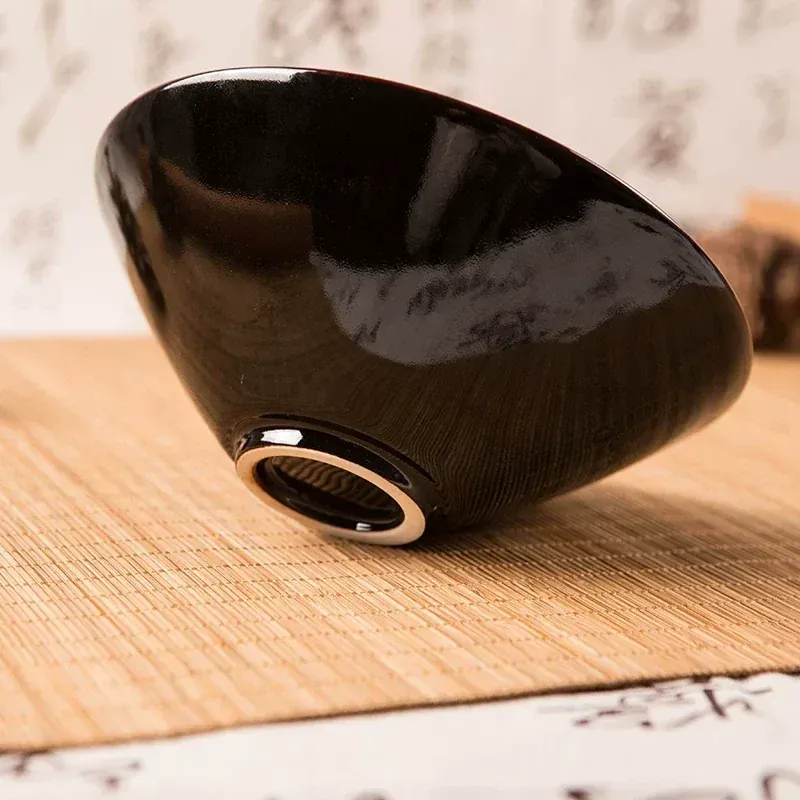
Washing
- Wash soon after use. Dried tea is harder to lift.
- Mild detergent and a soft sponge. Scouring pads and abrasive sponges dull the glaze.
- Dry with a cloth, then leave it to dry completely where air moves.
- If you stack bowls, put cloth or paper between them. A foot ring chips a rim easily.
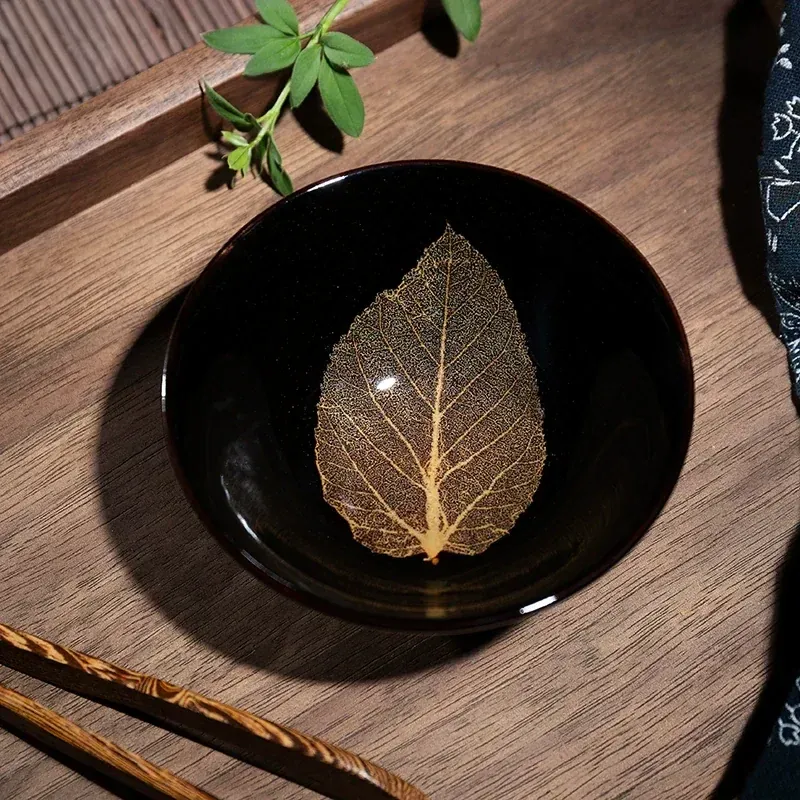
If tea stains
A stain sitting on the surface and one worked into the crazing are different problems. For the surface, dissolve a little bicarbonate of soda in warm water and wipe with a soft cloth. Do not use an abrasive cream; it cuts the gloss.
Stain inside the crazing is better left alone. Working at it damages the glaze and lets water in. On a bowl that has been used for years, tea in the crazing is part of how it looks. If it bothers you, ask a restorer.
Microwave and dishwasher
| Use | Verdict | Why |
|---|---|---|
| Microwave | Avoid | Rapid heating extends existing crazing and can crack the bowl |
| Dishwasher | Avoid | Hot water, detergent and contact with other dishes all mark the glaze |
| Boiling water | Fine, if pre-warmed | In winter, warm the bowl with tap water first |
| Refrigerator | Avoid | Rapid cooling for the same reason as rapid heating |
NOTE — Bowls with a gold or silver rim
If the rim carries a gold or silver band, keep it out of the dishwasher and the microwave without exception. Once the band lifts, repair becomes difficult.
If it breaks, kintsugi
A leaf bowl can be repaired. Keep the pieces. Joined with urushi lacquer and finished with gold or silver, the repair becomes part of the bowl's history rather than a flaw in it.
We do not arrange repairs ourselves, but we can introduce restorers in Japan. Write to info@tenmokuchawan.com.
Storage
Keep it out of direct sun and dry air, in its paulownia box. If it goes unused for a long period, take it out now and then and let air reach it.
Questions
Does a tenmoku bowl need sealing?
No. The glaze covers the whole bowl, so the rice-water simmer used for unglazed pottery is unnecessary. Only the unglazed foot ring can take a stain.
Can it go in the dishwasher?
Avoid it. Hot water, detergent and contact with other dishes mark the glaze. Wash by hand, dry with a cloth, and leave it where air moves.
Can I do the kintsugi repair myself?
It uses urushi lacquer, which can cause a rash and is hard to finish well. For a first repair, consult a restorer. Keep the pieces either way; they keep your options open.